The BYD Dolphin Is a Delightful Daily Drive.
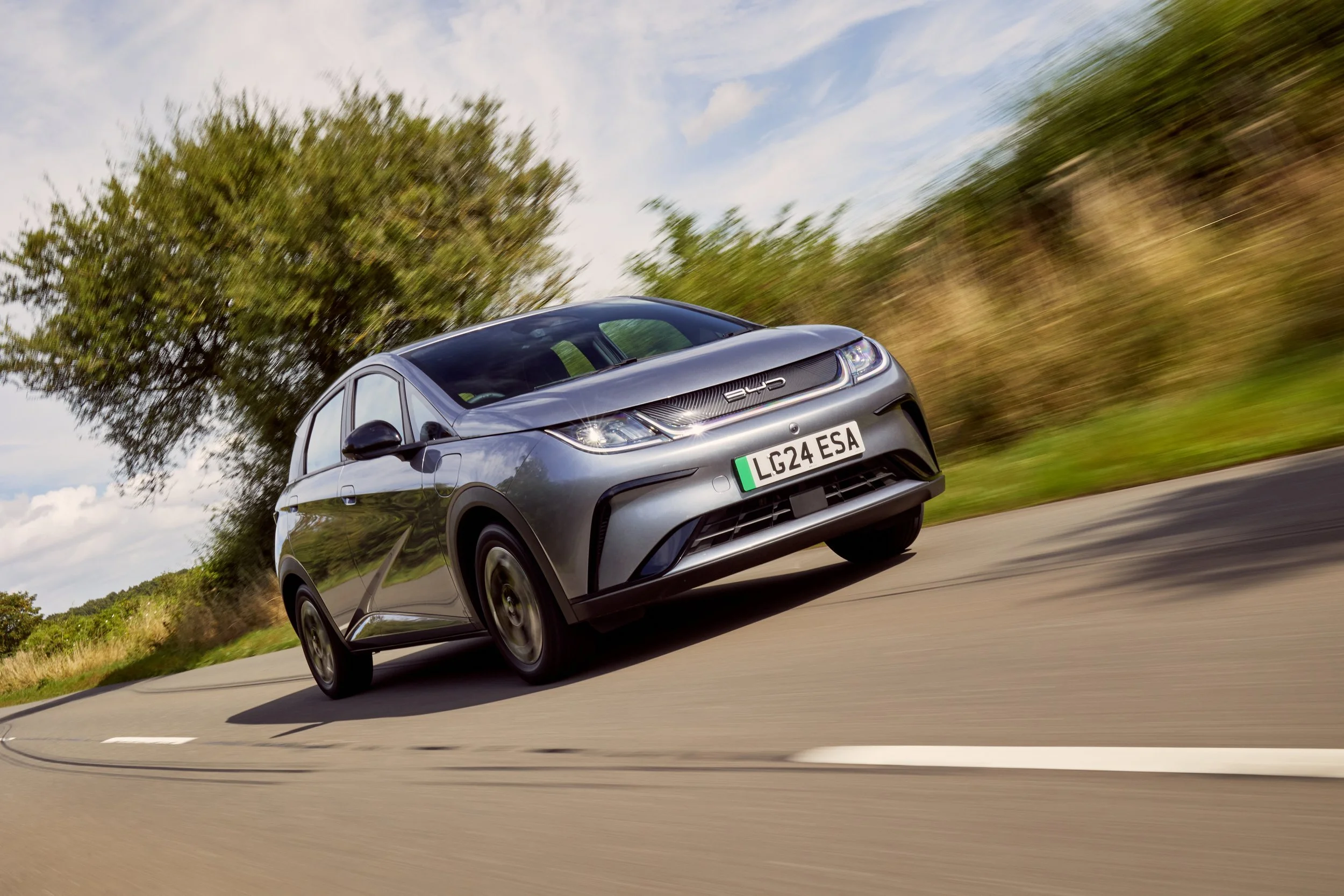
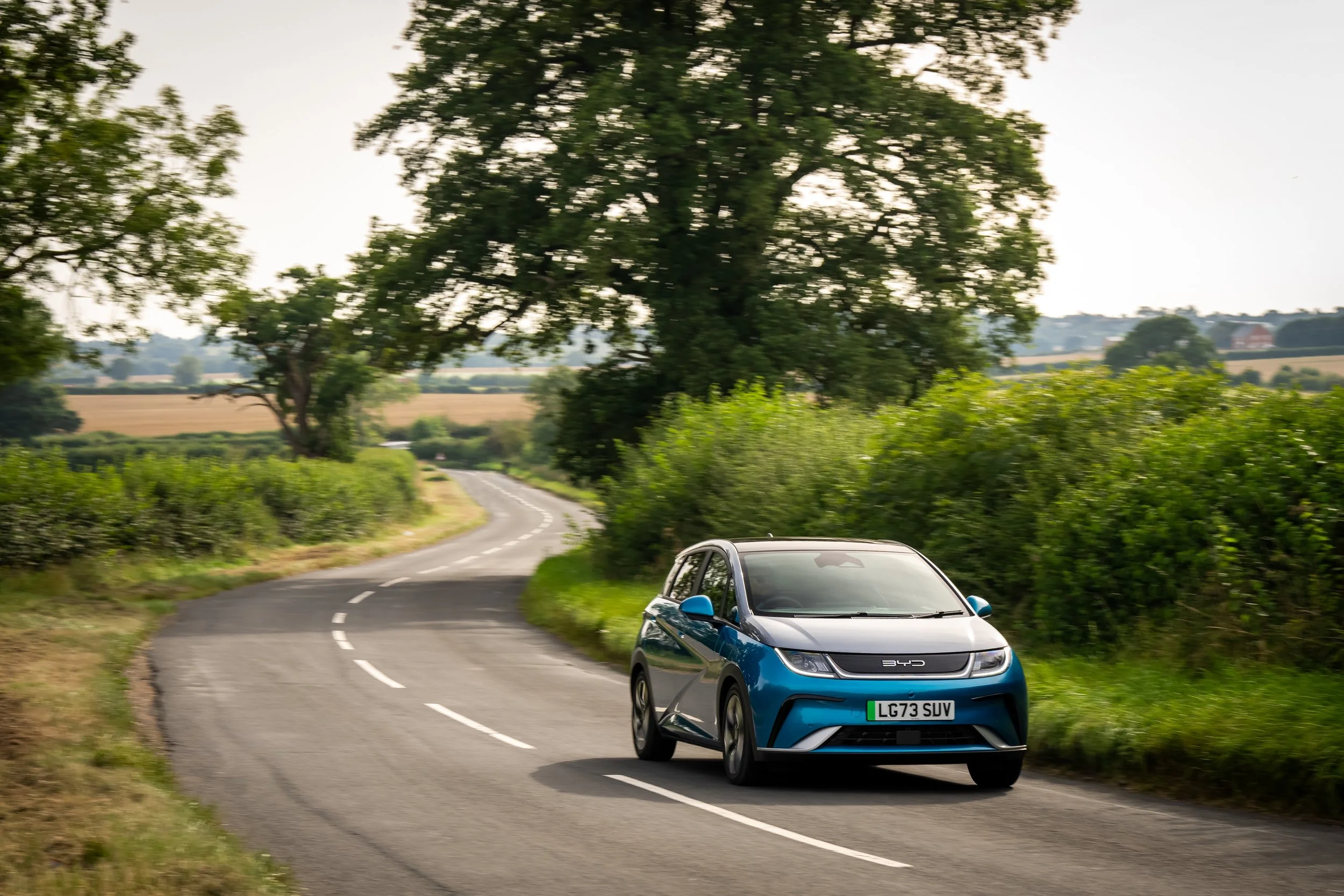
Build Your Dream, or BYD, is a Chinese manufacturer creating quality, no-nonsense vehicles that are proving popular in the UK. The Dolphin model is a prime example of practicality, affordability, and craftsmanship. Jeremy Webb took a Dolphin to the seaside and found out it is delightful to drive.
The Dolphin is a compact electric vehicle that stands proudly among its siblings in the BYD lineup, including the BYD Atto 3, the BYD Seal, and the BYD Sealion 7.
Chinese car manufacturers have excelled in this pursuit, successfully delivering budget-friendly options that do not compromise on quality or performance. This ethos is also evident in models like the MG4 EV and the GWM Ora 03, previously known as the Funky Cat, which further solidify the trend of accessible electrification for a wider audience.
BYD offers three power outputs and two battery sizes. The largest battery combined with the most powerful motor provides enough range to compete with the MG4 Long Range and boasts a 0-62 mph acceleration time comparable to that of a hot hatch.
The more affordable versions of the BYD Dolphin, known as Active and Boost, are equipped with a 44.9 kWh (usable) battery. The Active version offers an official range of 211 miles, while the Boost variant provides a range of 193 miles; it's important to note that "Boost" refers to performance rather than an increase in range.
For comparison, the entry-level MG4 EV boasts a slightly longer official range of 218 miles, thanks to its larger battery.
The Dolphin also offers a larger 60.5 kWh battery, available on the Comfort and Design trims. This bigger battery officially extends the Dolphin's range to 265 miles; however, during our winter real-world range test, the vehicle managed only 188 miles. This is 39 miles less than what the MG4 Trophy Extended Range achieved in the same test.
The entry-level Active trim is powered by a 94 bhp electric motor, allowing it to accelerate from 0 to 62 mph in 12.3 seconds. While this performance may not seem particularly impressive, it provides adequate power to keep up with traffic, especially in urban environments.
The 174bhp Dolphin Boost, with its impressive 7.5-second 0-62mph sprint, delivers a spirited driving experience that feels lively and engaging. Even in Eco mode, it has sufficient power to effortlessly reach motorway speeds and seamlessly manoeuvre into tight gaps during rush hour. It's easy to see why the Boost version is our top recommendation; its added performance comes at a minimal price increase over the entry-level Active model.
For those willing to explore higher trims, both the Comfort and Design variants boast a more robust 201bhp motor. This upgrade delivers a notable performance boost, achieving a remarkable 0-60mph time of just 6.8 seconds in our testing, outpacing competitors like the MG4 and Ora 03, which both struggled to reach 7.0 seconds. However, unless you have a pressing need for extended battery range, the performance enhancement isn't substantial enough to justify the additional cost compared to the Boost model.
Diving into the ride quality, the Dolphin's suspension system leans toward a softer setup, making it particularly adept at absorbing the jarring impact of potholes and road imperfections, especially in the entry-level Active version with its smaller 16-inch wheels. At lower speeds, this delivers a reassuringly comfortable ride, fostering a sense of tranquillity on urban roads.
However, as speeds increase, the car exhibits a bit of head toss, oscillating slightly side to side as it navigates bumps and dips. While this isn't uncomfortable by any means, it does contrast with the firmer ride quality offered by rivals such as the MG4, Peugeot e-208, and Vauxhall Corsa Electric, which handle higher speeds with greater composure.
The softness of the Dolphin's suspension leads to noticeable body lean during cornering, and the factory-fitted Linglong tyres provide surprisingly little traction. This lack of grip is especially evident when pushing into corners, often causing the front end to drift outward and straying from your intended trajectory. Furthermore, the steering feedback leaves much to be desired—it's light and somewhat vague, failing to provide the driver with a clear connection to the road beneath. For those seeking a more engaging and spirited drive, alternatives like the Cupra Born or MG4 might prove far more enjoyable.
The Dolphin is not intended for high-speed driving on B-roads; however, it performs quite well as an urban vehicle when driven normally. There is minimal motor noise, and road noise only becomes noticeable at higher speeds.
The brake pedal response can be abrupt at low speeds, but it improves once you start moving. While it's less spongy compared to a Citroën ë-C3, the MG4 offers a more progressive and reassuring braking experience.
Sliding into the BYD Dolphin, you'll quickly discover how easy it is to find a comfortable driving position. Each trim level is equipped with electrically adjustable sports seats that hug you snugly, allowing you to personalise your fit with a simple button press. The steering wheel is manually adjustable, offering a wide range of positions to suit your preference, ensuring that every drive feels tailored to you.
However, similar to competitors like the Citroën ë-C3, Hyundai Inster, MG4 EV, and Ora 03, the BYD Dolphin lacks adjustable lumbar support, even as an optional feature, which might be a drawback for those who prioritise long-distance comfort.
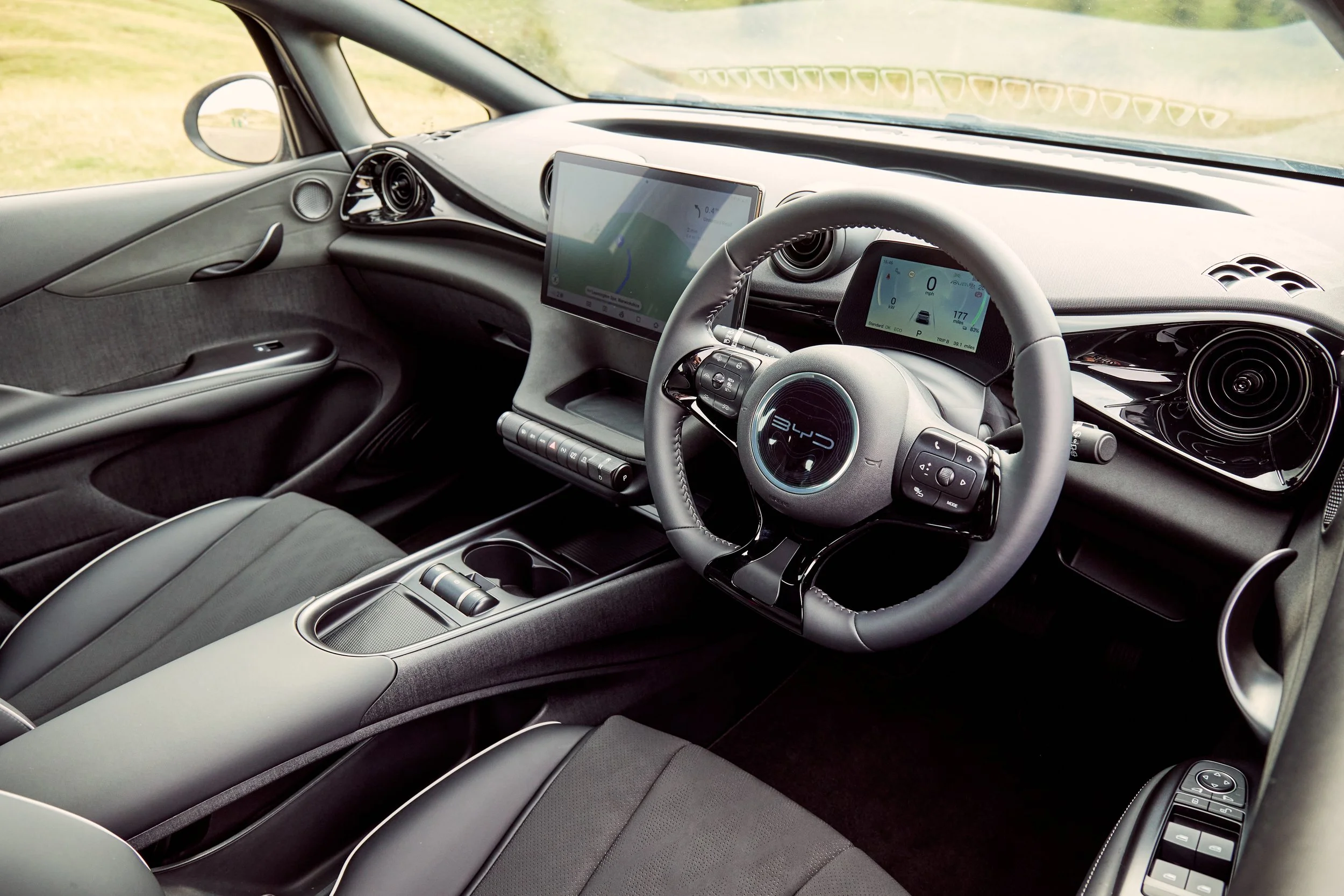
In contrast to the SUV-inspired design of the ë-C3, the driver's seat in the Dolphin positions you lower to the ground. This design choice aligns with the vehicle's compact nature while still affording you a commanding view of the low-profile dashboard. Though the front window pillars are robust and substantial, they are thoughtfully set back, minimising any obstruction to your field of vision and allowing for a clear, unhindered outlook on the road ahead.
The same can be said for the view over your shoulder. The Dolphin's narrow rear pillars ensure you have good visibility of surrounding cars, minimising any blind spots. However, the rear windscreen could be taller, as the view behind you is often obstructed by the headrests.
For easy parking, every Dolphin comes equipped with rear parking sensors, while the two higher trim levels also include front sensors. Impressively, the Dolphin features a 360-degree parking camera, typically found only on higher-end trims.
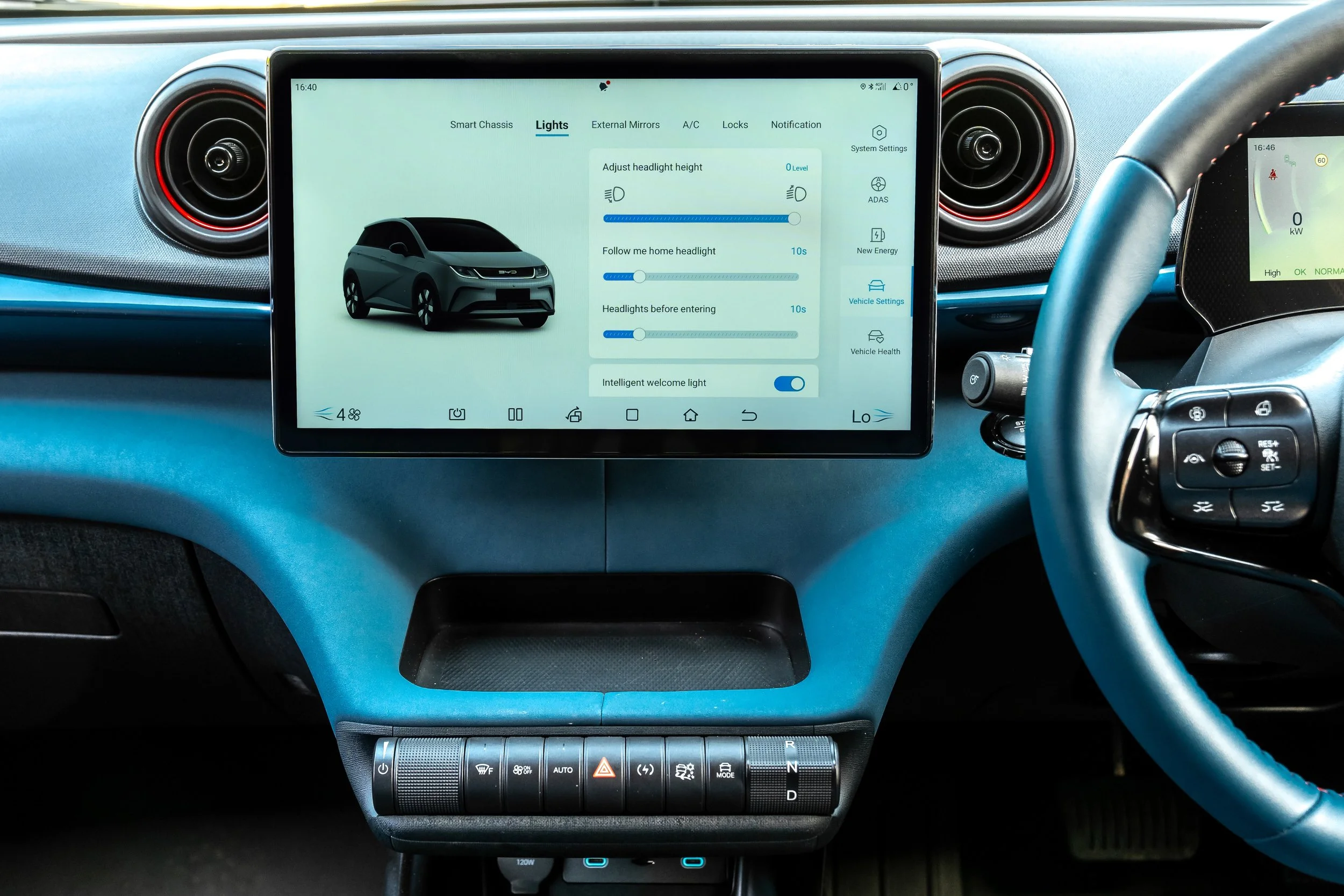
The camera image is displayed on a 12.8-inch infotainment touchscreen that can be easily rotated between landscape and portrait orientations at the touch of a button. This is a feature we saw in the BYD Atto 3, and it's a nice touch. A motorised screen is uncommon; even the £100,000-plus Mercedes-AMG SL has a screen that tilts only forward and backwards.
Despite that, the Dolphin's screen feels sturdily mounted—more so than the SL's—and the graphics are sharp. The software responds quickly to your interactions, making it far more impressive than the smaller, low-resolution screens found in the Citroën ë-C3 and MG4. Additionally, you get wireless Apple CarPlay as standard, although it can only be used in landscape mode on the screen.
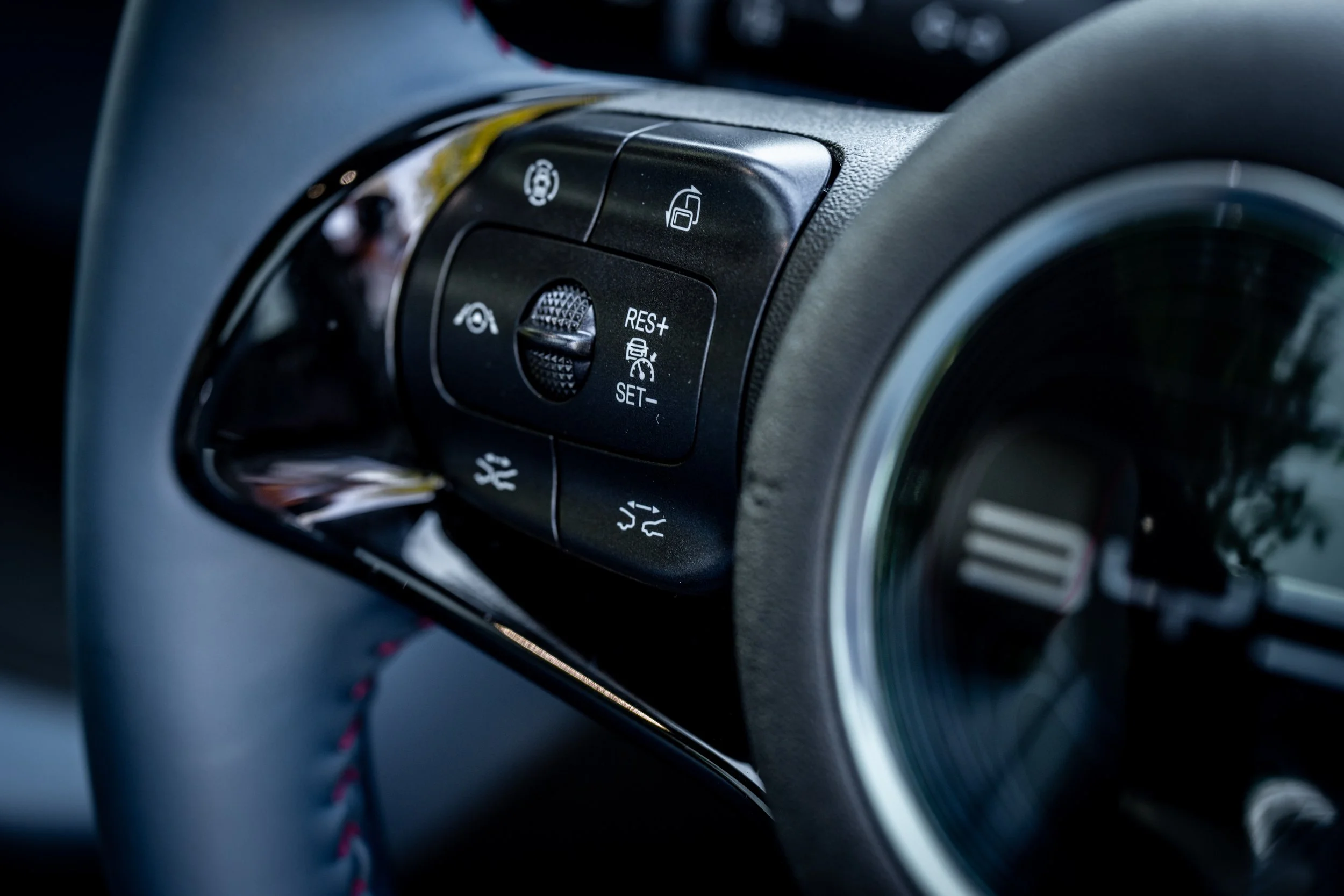
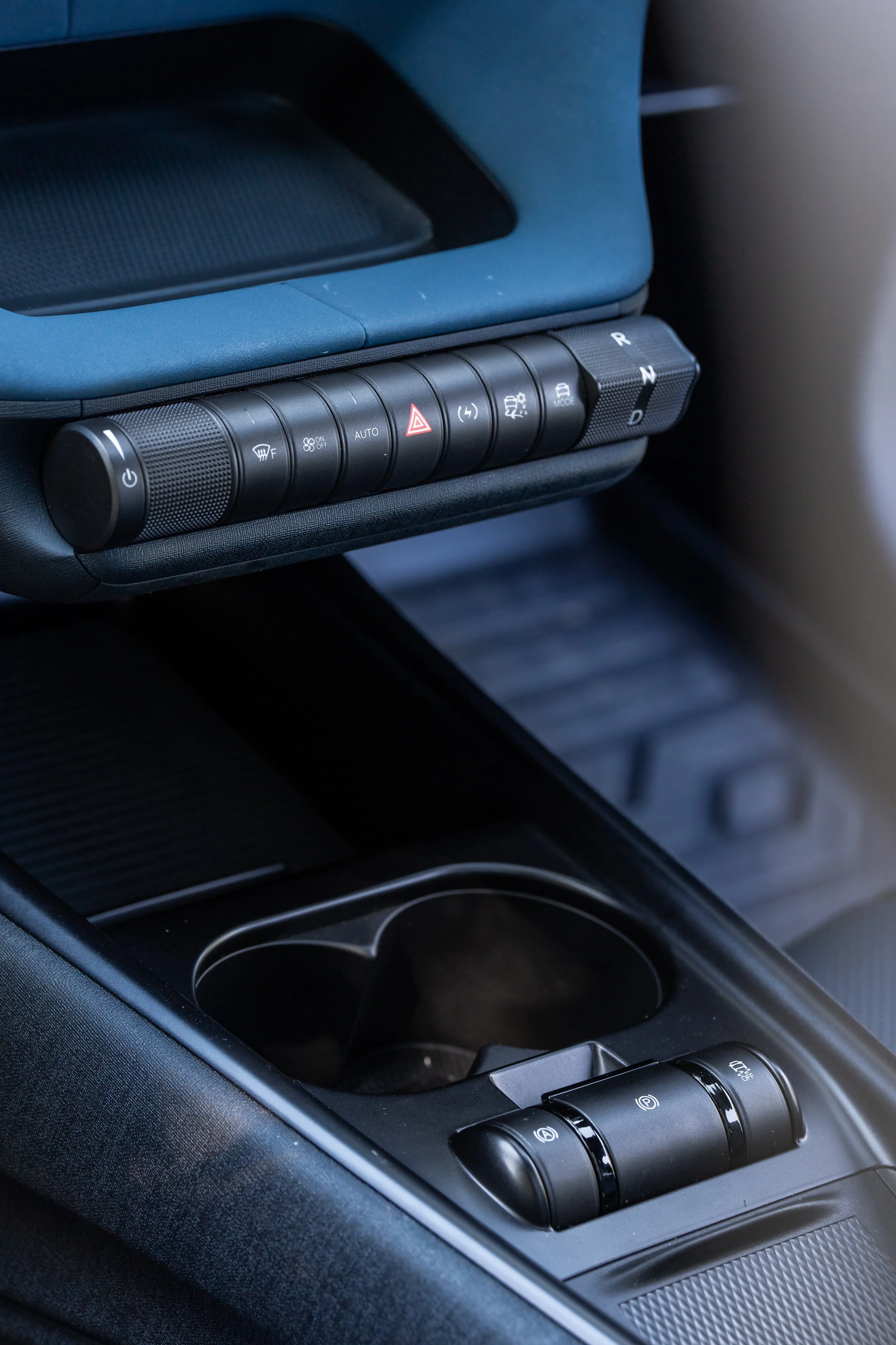
The car features physical buttons on the centre console and the steering wheel; however, like the MG4, the temperature controls are accessed through the infotainment screen. This setup makes adjusting the temperature and fan speed more distracting compared to the Vauxhall Corsa Electric, which has physical controls.
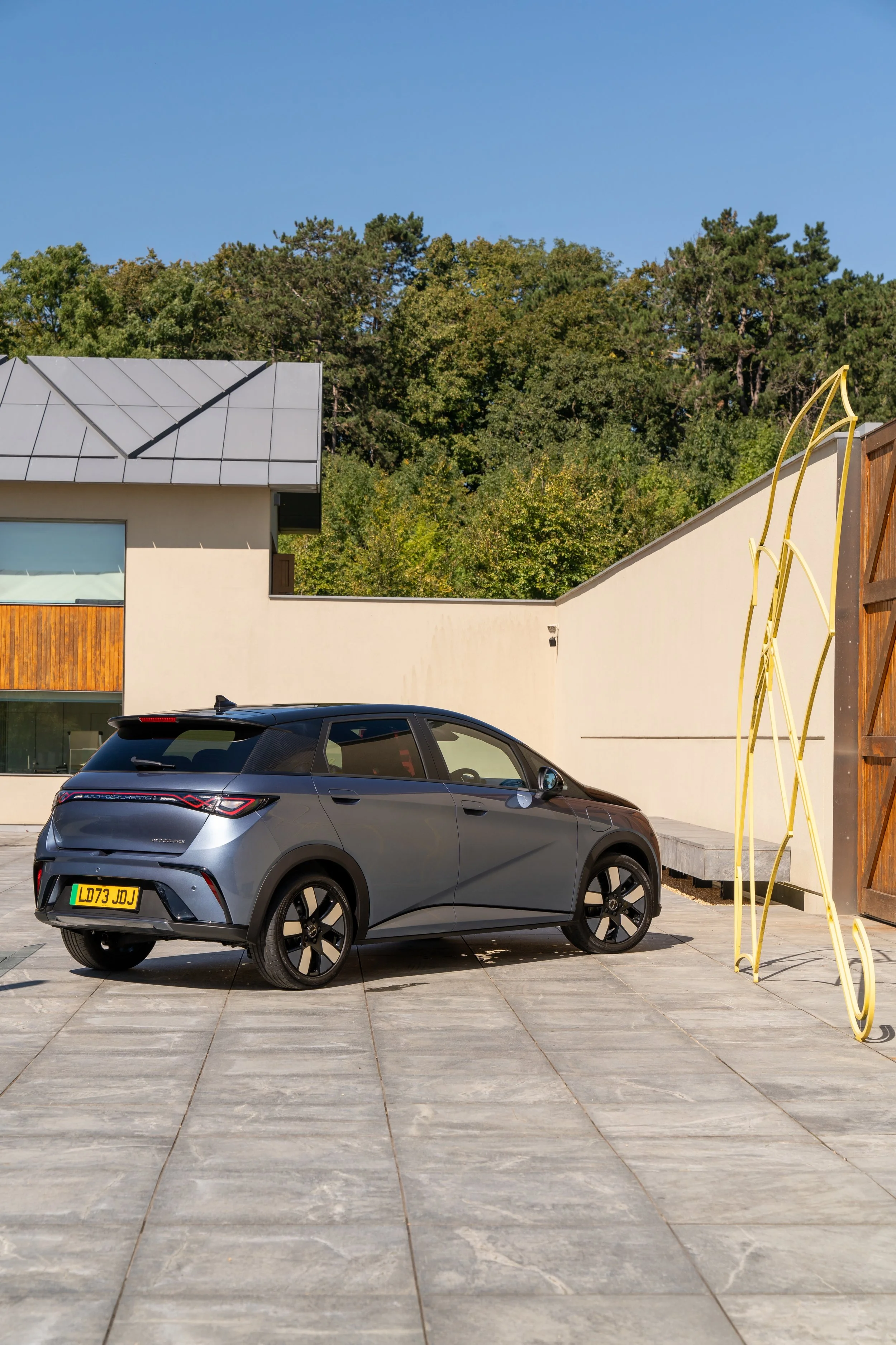
The interior materials feel quite upscale compared to most small electric cars, and the Dolphin seems well-built for its price. Additionally, higher-spec versions offer colourful upholstery options, adding some flair. This contrasts with the MG4 and Corsa Electric, which both have bland, dark interiors.
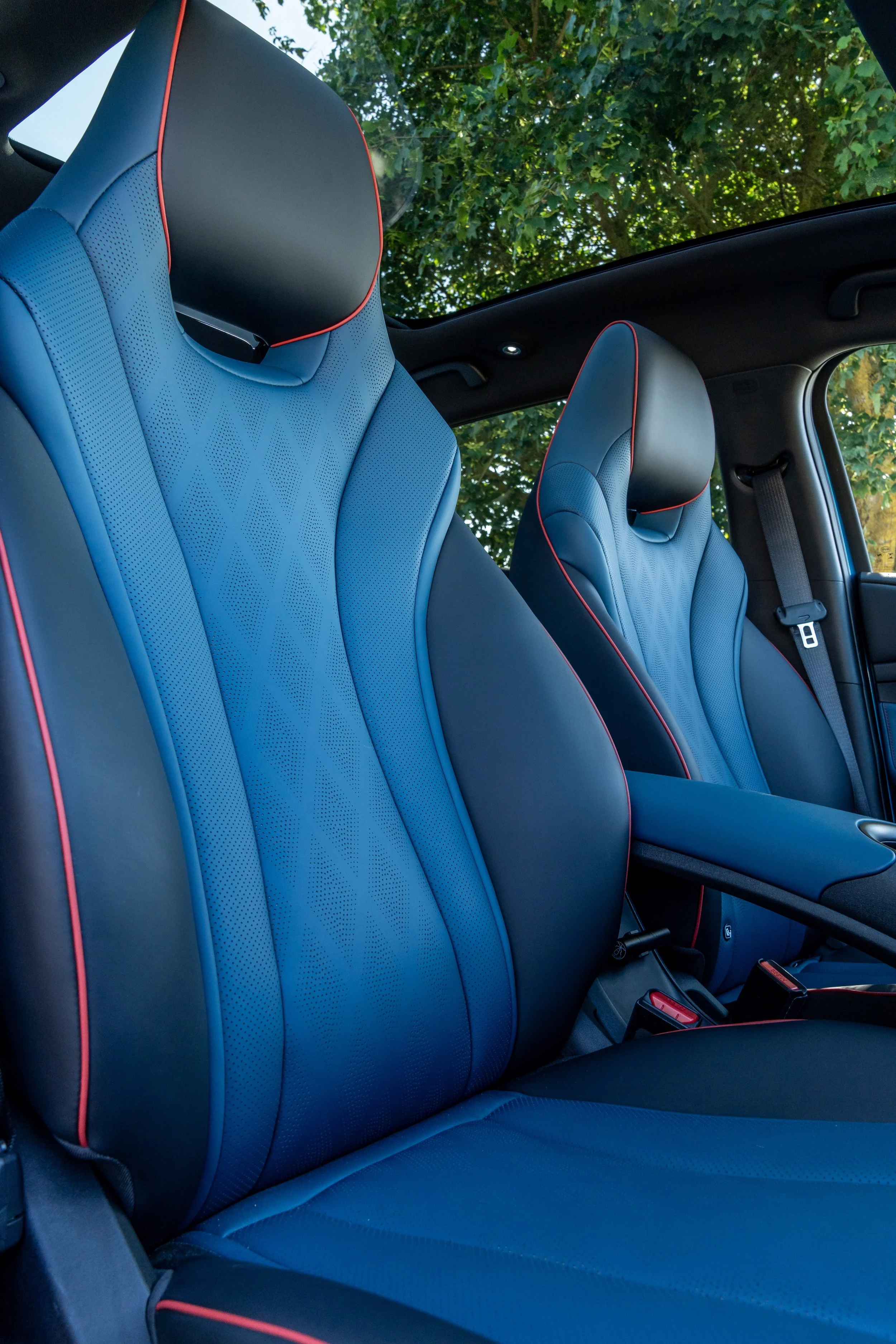
The BYD Dolphin excels in providing space, comfortably accommodating two six-foot individuals in the front seats. Both passengers will find ample headroom and shoulder space, even if they are quite broad.
Additionally, there is a substantial amount of storage available in the front. The glovebox is larger than what is offered in the Peugeot e-208 or Vauxhall Corsa Electric. The door bins can hold a large water bottle, and there are two cupholders as well. A small cubby for your phone, which can also function as a wireless charger in the top-spec Design models, adds to the convenience. There is also another storage compartment located under the central armrest.
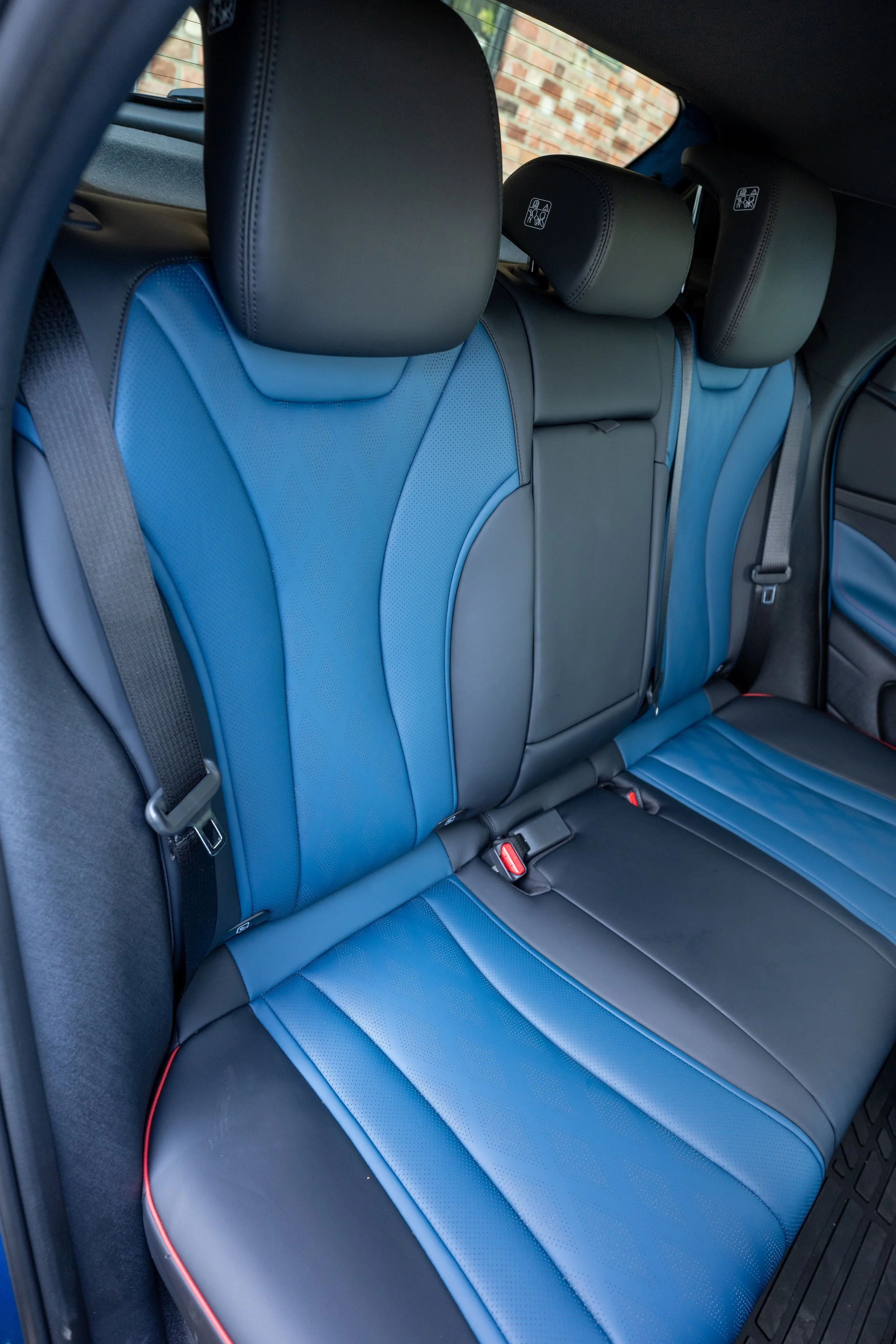
In the rear of the car, two six-foot passengers can comfortably sit in the outer seats without any concerns about headroom. There is also plenty of knee room when seated behind another six-footer. Compared with similar models, the Dolphin offers more rear space than the Mini Cooper Electric, e-208, or Corsa Electric, and is comparable to the MG4.
The middle seat is slightly raised, which may make headroom a bit tight, but the flat floor ensures that middle-seat passengers will not struggle for foot space. While there could be some shoulder rubbing with three passengers in the back, it's important to remember that this is a small electric car.
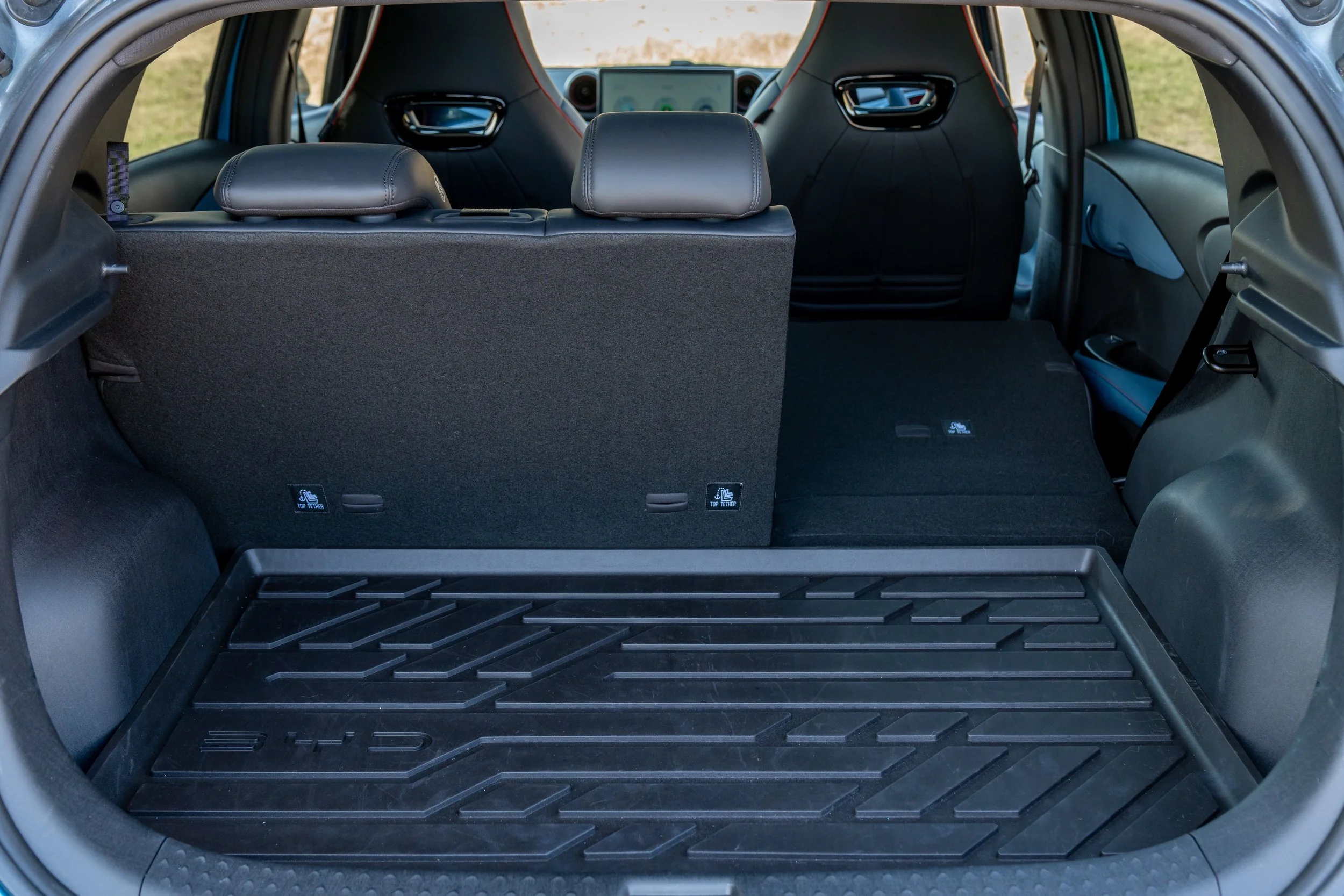
Regarding luggage space, the Dolphin features a square boot with a total capacity of 345 litres. Although this is less than the larger MG4, it offers significantly more space than the Ora 03. In practical terms, we were able to fit five carry-on suitcases in the Dolphin's boot—one more than we managed to fit in the Hyundai Inster and Ora 03, and the same number as in the MG4.
The Dolphin also includes a height-adjustable boot floor, allowing you to store charging cables and other items underneath, separate from your luggage. Alternatively, you can lower the floor to create a taller load area, although this results in a significant drop from the boot entrance. If you need additional space, the rear seats can be folded down in a 60/40 split, increasing the storage capacity to 1,310 litres with a flat boot floor.
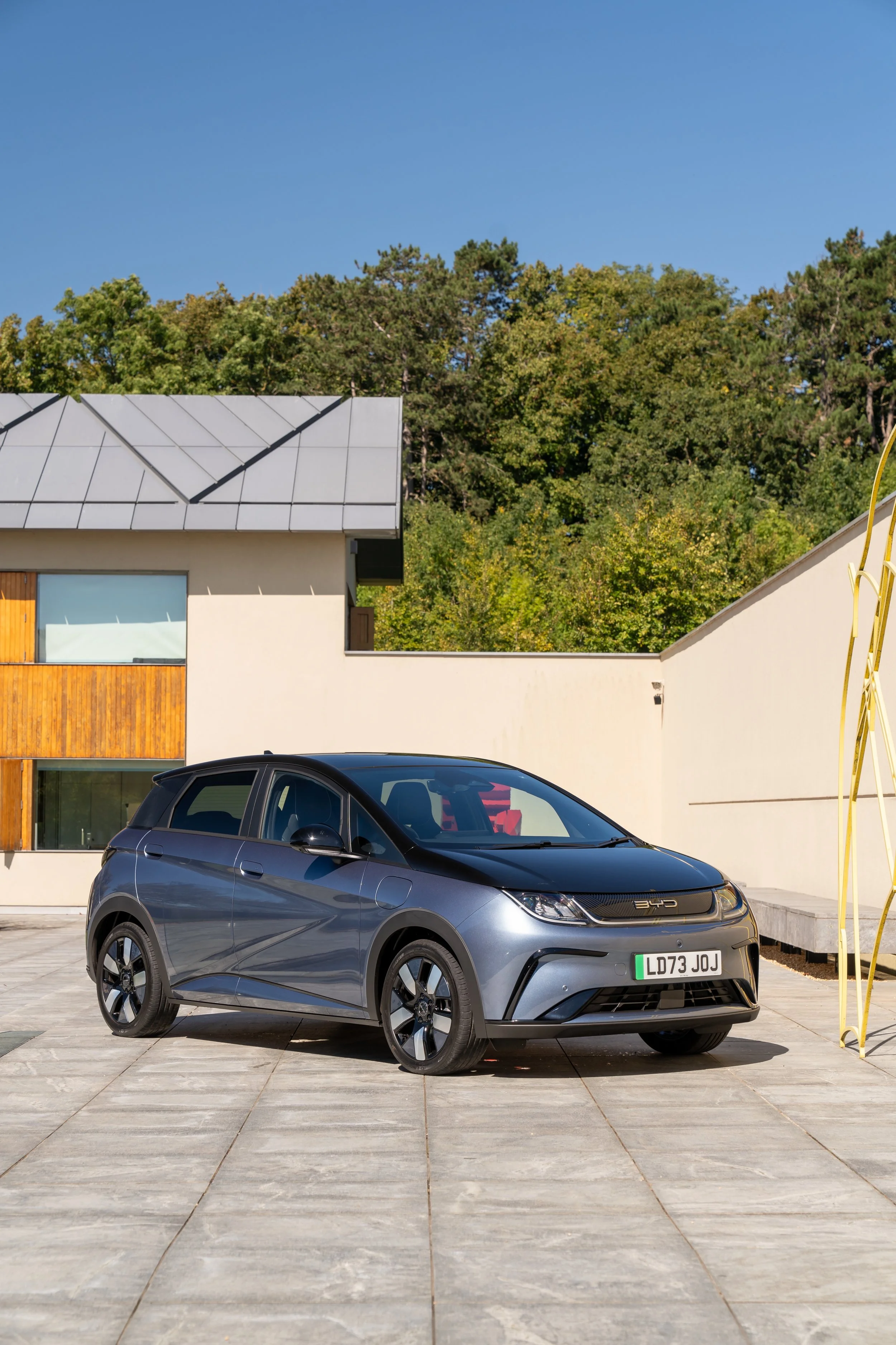
The Dolphin offers four trim levels, starting with the Active, which is already well-equipped. Standard features include 16-inch alloy wheels, adaptive cruise control, faux-leather upholstery, heated front seats, vehicle-to-load (V2L) charging (allowing you to power appliances like a kettle using the car's battery), and an EV heat pump to enhance efficiency during winter. However, this trim is only available with the smallest 44.9 kWh battery and a 70 kW motor.
The mid-spec Boost trim, which we recommend, retains the same 44.9 kWh battery but is paired with a more powerful electric motor. It also includes 17-inch alloy wheels and a multi-link rear suspension for improved comfort and handling.
The top two trims, Comfort and Design, both feature the larger battery and most powerful motor. The Comfort trim comes with electric folding door mirrors and an upgraded six-speaker stereo. The premium Design trim adds a panoramic roof, rear privacy glass, and dual-tone exterior paint.
The Dolphin's smaller battery option has a very slow maximum charging speed of 65 kW, while the Comfort and Design versions offer a more acceptable rate of 88 kW. Both of these trims can charge from 10% to 80% in approximately 40 minutes, which is similar to the Ora 03 but slower than the Hyundai Inster and MG4 SE.
In comparison, the Peugeot e-208 and Vauxhall Corsa Electric can charge at rates up to 100 kW, allowing for a similar top-up in around 30 minutes. Meanwhile, the similarly priced MG4 Long Range charges in about 35 minutes but offers a longer driving range on that charge.
The Dolphin received an impressive five-star safety rating from Euro NCAP in 2023, reflecting its commitment to passenger protection. It is equipped with an extensive array of advanced safety features that enhance driver confidence and ensure a secure driving experience. Some of these standard safety technologies include automatic emergency braking (AEB), which helps to prevent collisions; lane-keeping assistance, which aids in maintaining the vehicle's position within its lane; blind-spot monitoring, alerting drivers to vehicles outside their field of vision; rear cross-traffic alert, which helps when reversing out of parking spaces; and traffic-sign recognition, providing real-time information about speed limits and other road signs.
In addition to its robust safety credentials, the Dolphin offers an impressive warranty package that underscores its reliability. It comes with a basic six-year or 93,750-mile warranty, ensuring peace of mind for the driver. The battery is covered for eight years or 125,000 miles, while the drive motor and drive controller are covered for eight years or 90,000 miles. This warranty coverage not only surpasses that of its competitor, MG, but also exceeds Ora's five-year warranty, despite the latter offering unlimited mileage. Such extensive assurances demonstrate the manufacturer's confidence in the Dolphin's durability and performance.
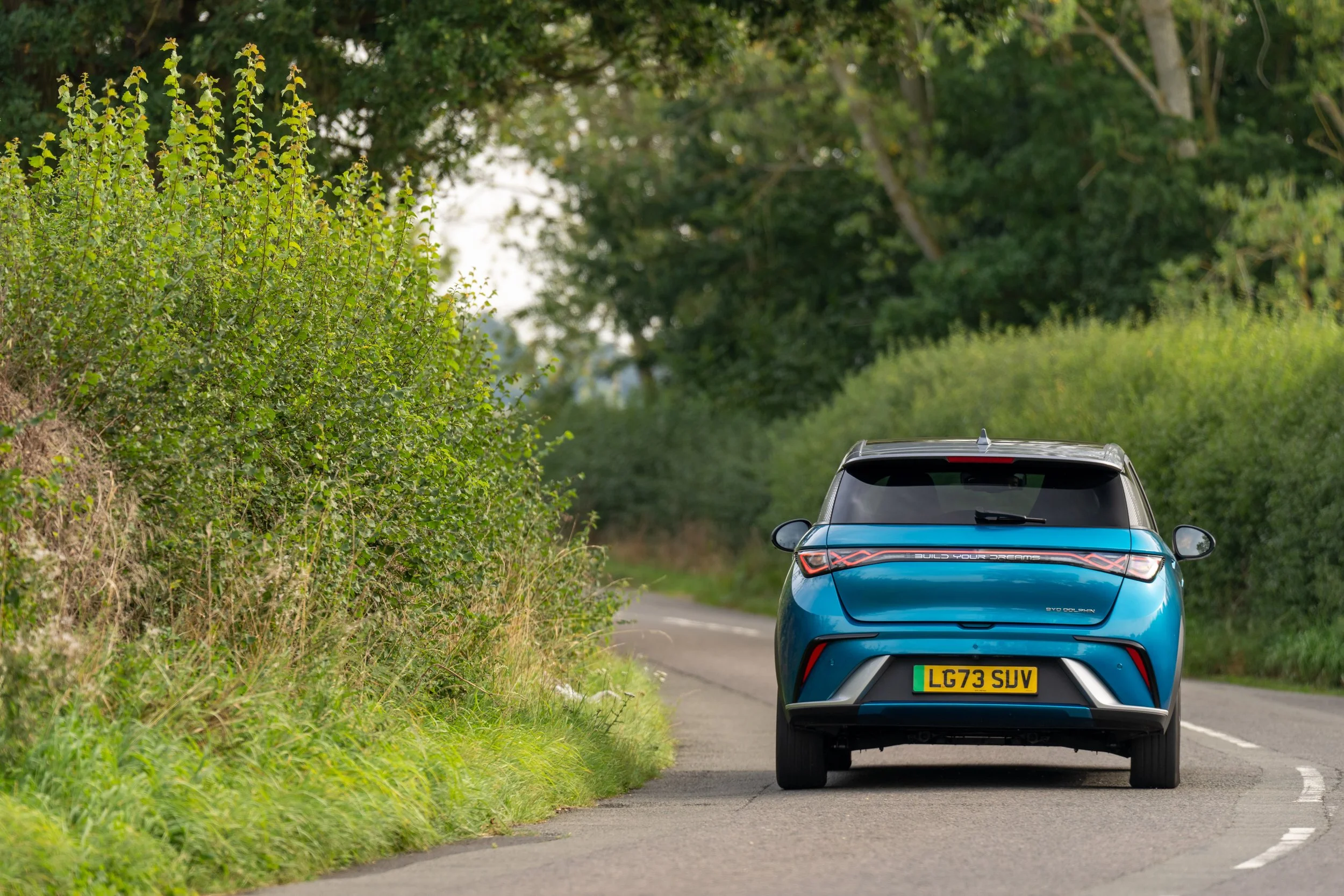
The BYD Dolphin presents itself as a compelling contender in the electric vehicle market, particularly compared to well-known rivals such as the Vauxhall Corsa Electric and the MG4 EV. Its attractive list price, coupled with a practical design and surprisingly plush interior, makes it an appealing choice for those seeking both comfort and economy in a small car. While competitors may offer sharper handling and faster charging speeds, the Dolphin impresses with its overall ride quality and comfort. For buyers seeking optimal value, the smaller-battery versions of the Dolphin stand out as the wisest option, delivering a wealth of features and adequate performance that align well with the expected price range.
£23000 starting price.