THE Dacia Bigster IS A Big Car That won't Break The Bank.
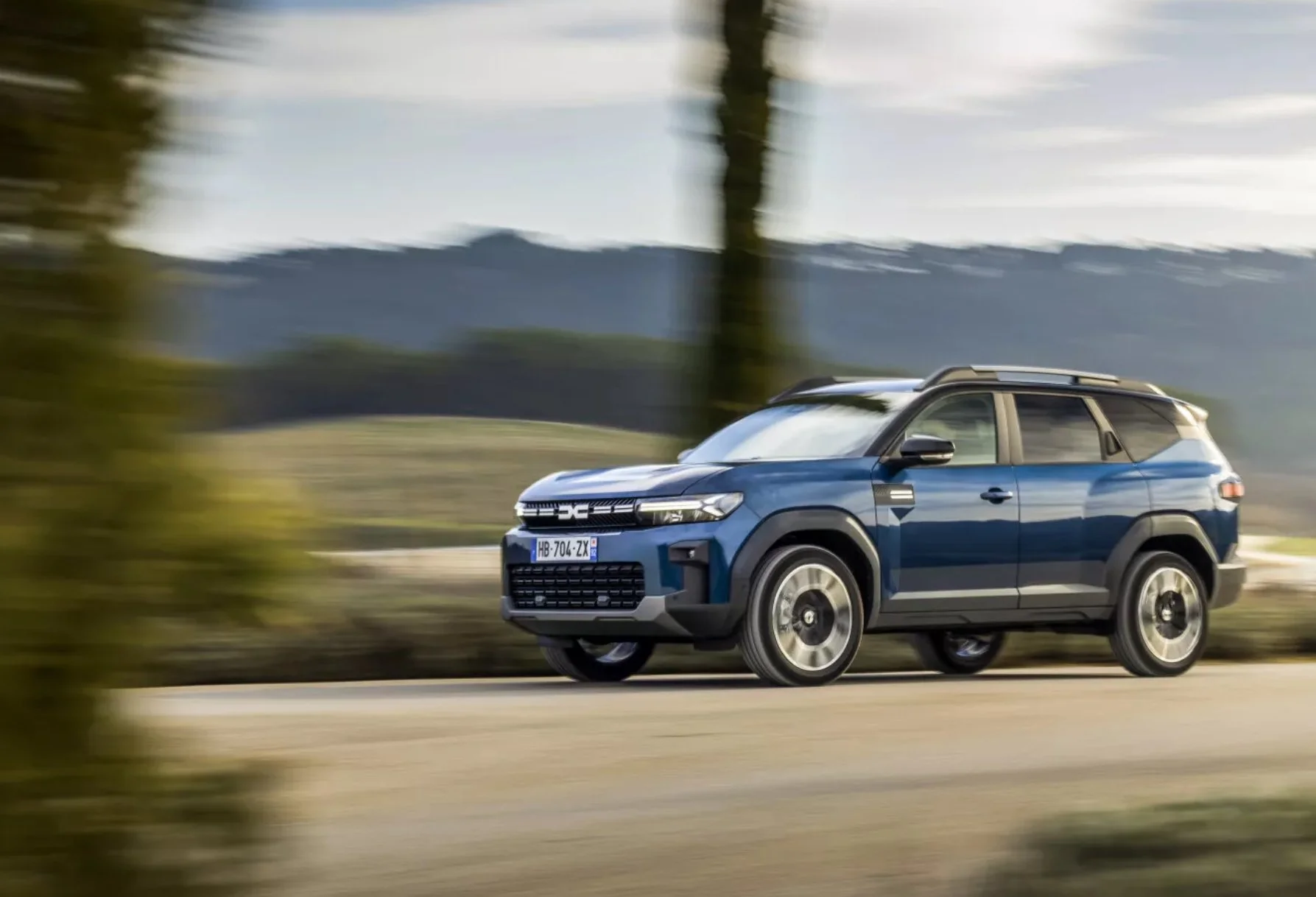
Dacia has quietly gone about its business of producing reliable, efficient, and desirable vehicles, and their Bigster is a prime example. A large SUV that delivers practicality and offers users a cosy, safe interior at an outstanding value for money. Jeremy Webb finds out the benefits of owning a Dacia Bigster while driving in the Lake District.
The Dacia Bigster is available in several configurations, with the most expensive being the Hybrid 155. This model combines a 107bhp 1.8-litre petrol engine with a 50bhp electric motor, which drives the front wheels. It operates efficiently in urban environments and provides low-effort cruising on quiet, smooth electric power, thanks to its 1.4kWh battery. Additionally, a second electric motor functions as a starter/generator, allowing the petrol engine to start quickly when the battery charge is low or when a burst of acceleration is needed.
At the more affordable end of the range, there are two mild-hybrid engines, starting with the preferred Mild Hybrid 140, which delivers 138bhp. This variant also features front-wheel drive and offers similar performance on paper to the Hybrid 155. On the other hand, the 129bhp Mild Hybrid 130 comes with four-wheel drive but is a couple of seconds slower to reach 62mph. Although there's a bit of lag at low revs before the turbocharger kicks in, it has sufficient mid-range power to keep up with traffic once it's moving. The four-wheel drive capability should also make the Dacia Bigster well-suited for handling muddy fields or slippery winter conditions.
The Dacia Bigster's driving experience is quite good. Its suspension is soft enough to absorb most bumps without feeling overly floaty on uneven roads. However, it's not perfect; it creates a small thud over larger bumps, while competitors like the Sportage or Skoda Karoq handle them more gracefully. Still, it represents a significant improvement over the MG HS 1.5 T-GDi, which is softer and tends to move you around in your seat constantly.
The Dacia Bigster's firmer suspension offers advantages in handling. While we wouldn't describe it as sporty, it feels well-composed for a family SUV of its size and is noticeably less wobbly than the Citroën C5 Aircross. The main drawback of the Bigster is its steering, which is light and lacks feedback. This is acceptable for navigating tight urban corners, but it offers little confidence when driving on country roads. In terms of handling, the Kia Sportage has a considerable edge over the Dacia Bigster.
the mild-hybrid engines, both come with manual gearboxes, while the Hybrid 155 features an automatic transmission. This system operates in a complex manner, similar to what is found in the Dacia Duster Hybrid 140 and the Renault Symbioz, where it tends to be slow and jerky. However, in the Bigster, it performs well, offering a smoother and more cohesive experience. The mild-hybrid engines in the Bigster operate quietly at an acceptable level, but they could be smoother. At low revs, they sound and feel rougher—through the steering wheel and pedals—compared to many equivalent rivals that have four-cylinder engines in this class.
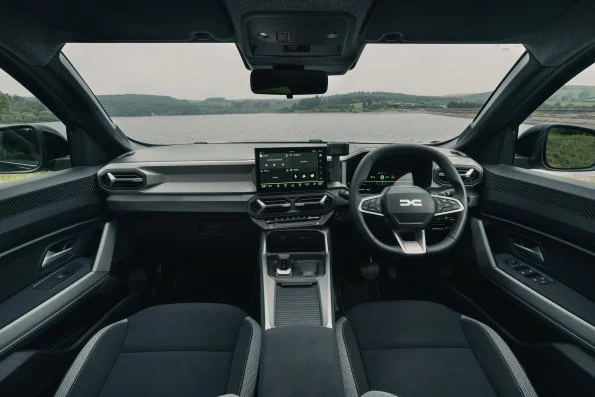
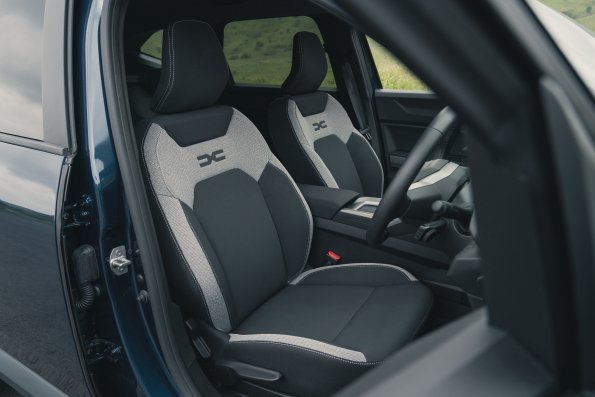
Fans of raised driving positions will be pleased to know that in the Dacia Bigster, you sit at a comfortably high level. There is ample adjustment available for both the seat and the steering wheel, making it easy to find your ideal driving position. The seats are soft and comfortable; however, keep in mind that only the Journey and Extreme trims offer adjustable lumbar support for the driver. The elevated driving position provides a good view over the Bigster’s bonnet. Still, the steeply angled windscreen pillars and the narrow space between the pillars and wing mirrors do slightly compromise visibility at junctions.
The vehicle's rear visibility is significantly improved thanks to large rear windows and cut-outs in the rear pillars, which provide a good view over your shoulder. To assist with parking, every Bigster model is equipped with rear parking sensors and four cameras, one at the front, one at the rear, and one on each side.
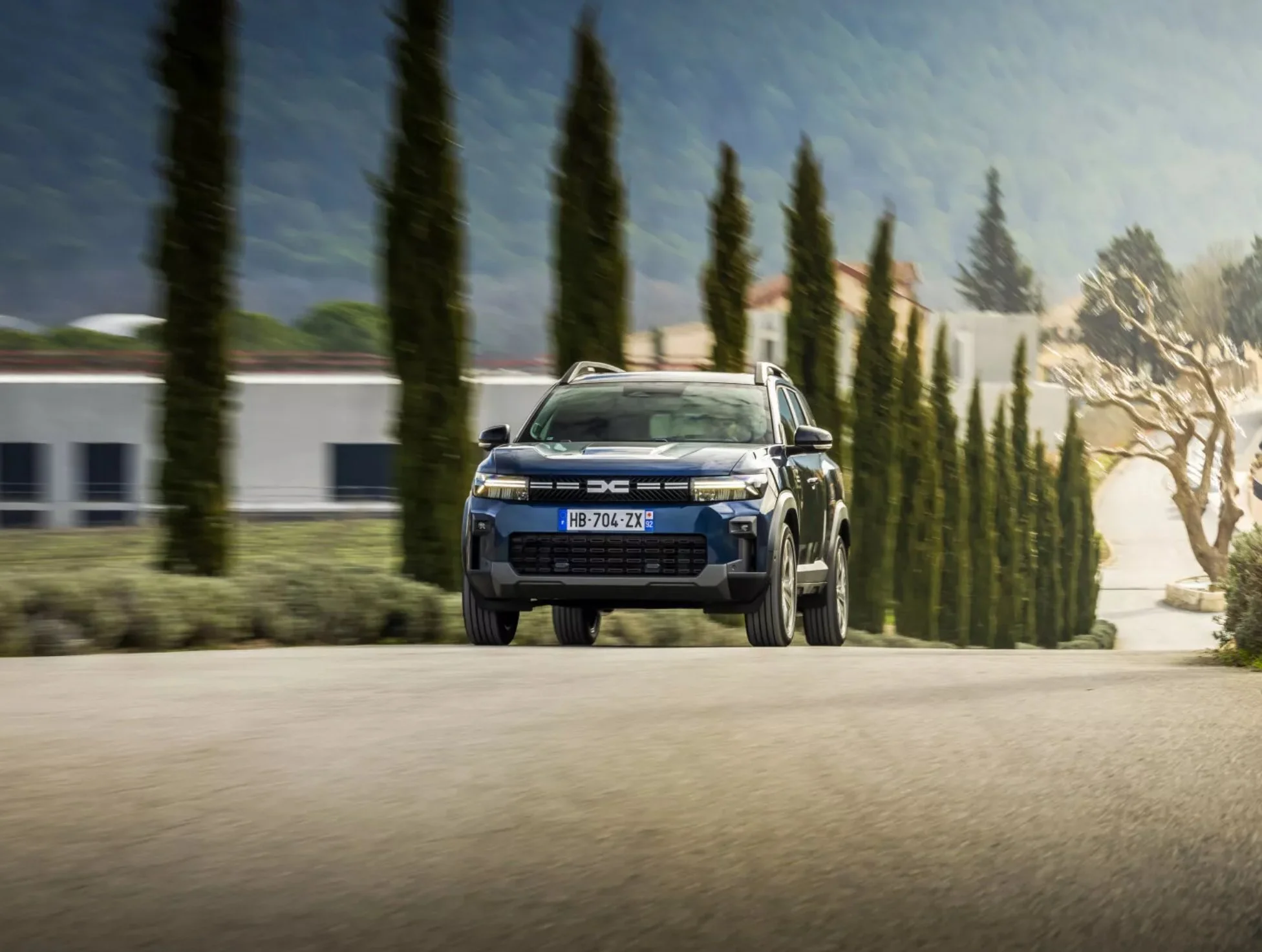
All Bigster models feature a digital driver's display: a 7-inch screen in the entry-level Expression trim and a 10.1-inch screen in the higher trims. We tested the larger screen and found it to be crisp, clear, and fairly customisable.
However, the infotainment touchscreen could use some improvement. While the graphics are decent and the 10.1-inch size is advantageous, we experienced some sluggishness; there were times when several seconds elapsed between touching the screen and the response. The entry-level Expression trim does not come with satellite navigation, but that’s manageable, as you can use Android Auto and Apple CarPlay to run your own apps through the touchscreen.
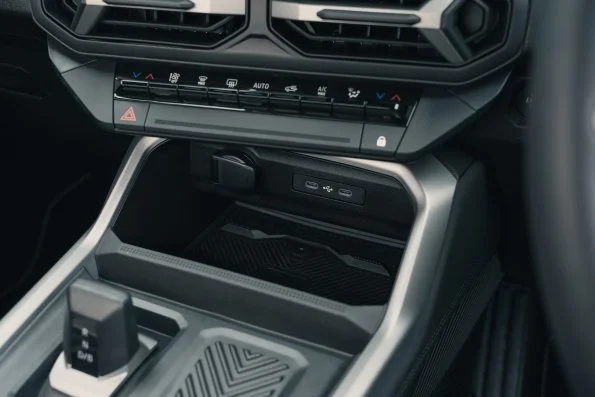
The interior layout of the Dacia Bigster is well-designed, with everything positioned where you'd expect it to be. We particularly appreciate the physical switches for climate control, as this feature is often lacking in competitors like the MG HS. Having these switches makes it much less distracting to adjust settings while driving.
This is where the Dacia Bigster truly excels. Up front, both the driver and passenger enjoy ample legroom and headroom, ensuring that they won't be cramped. Even two tall individuals, each around six feet tall, will find plenty of space to sit comfortably.
In terms of storage, the door bins and glovebox are both of adequate size. The Hybrid 155 in Journey trim features a raised centre console that includes a built-in cooler compartment in the armrest. Furthermore, all variants feature a fold-down centre armrest in the rear, with two cupholders for added convenience.
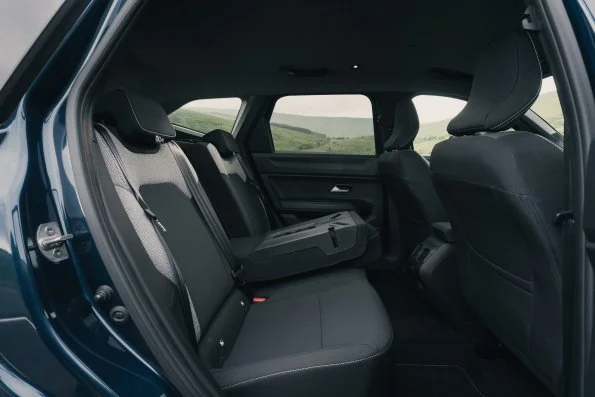
In the back, the Bigster offers more headroom than its rivals but slightly less legroom than the MG HS. Additionally, the HS is wider, making it more comfortable for three passengers sitting side by side. However, the Bigster is far from cramped, even for your largest friends.
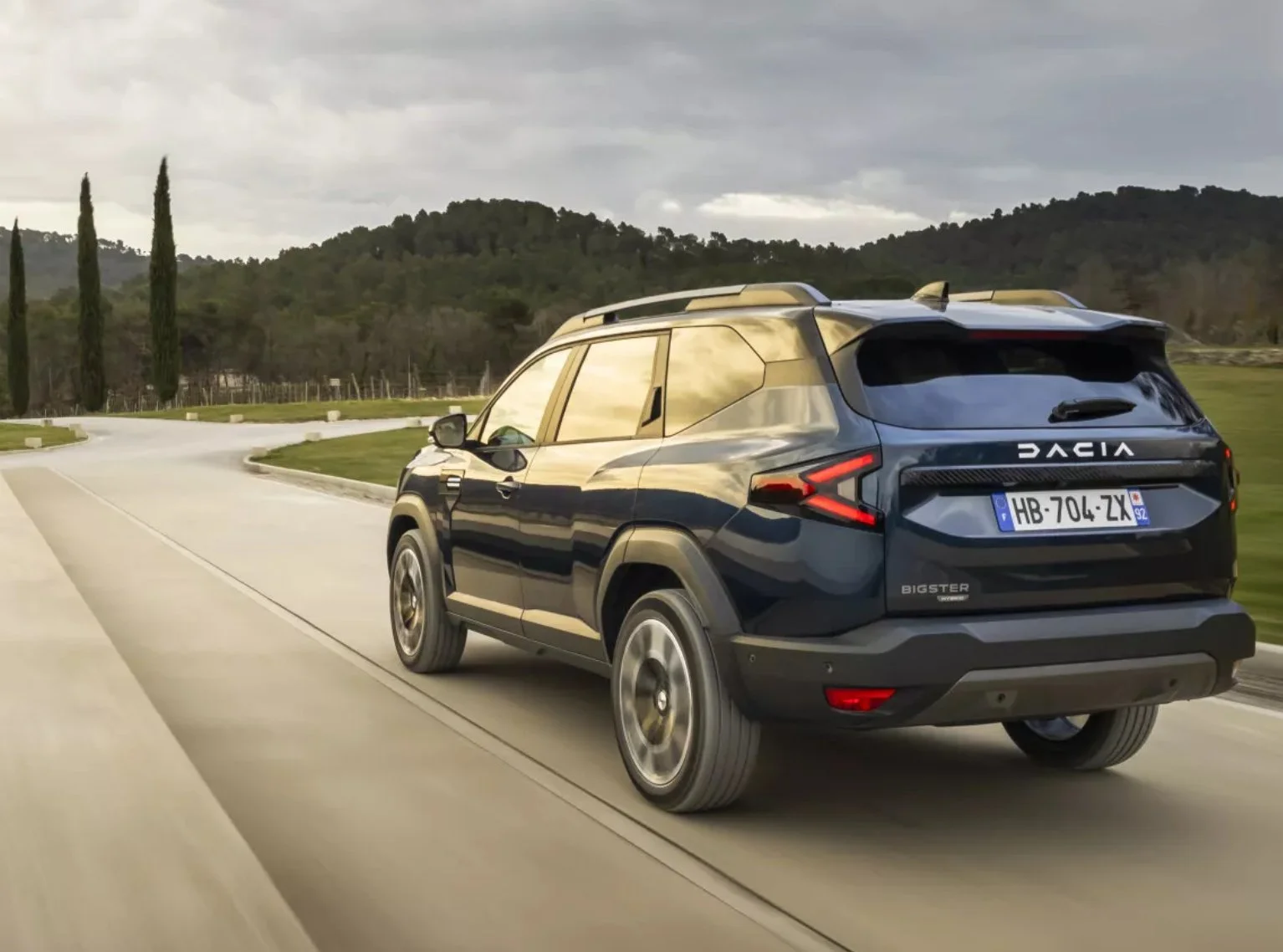
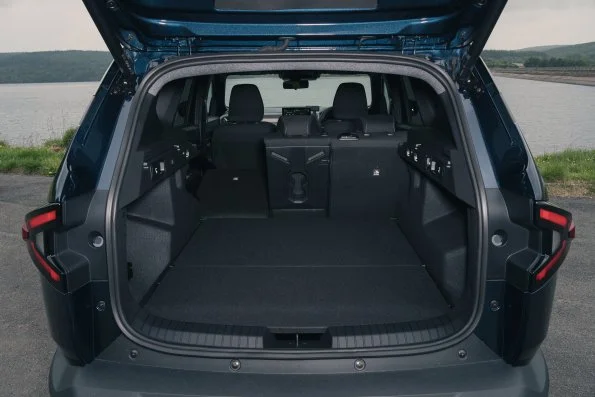
Unlike its closely related counterpart, the Duster, which features 60/40 split-folding rear seats, the Bigster offers a more practical 40/20/40 split. You can also remotely lower the seat backs by pulling levers located in the boot. Unfortunately, the seats do not slide back and forth like those in the Citroën C5 Aircross and Renault Symbioz.
When it comes to the boot space, the Bigster is impressive. The capacity varies depending on the engine you choose: the Hybrid 155 has a boot volume of 612 liters, the Mild-Hybrid 130 has 629 liters, and the Mild-Hybrid 140 boasts an impressive 667 liters.
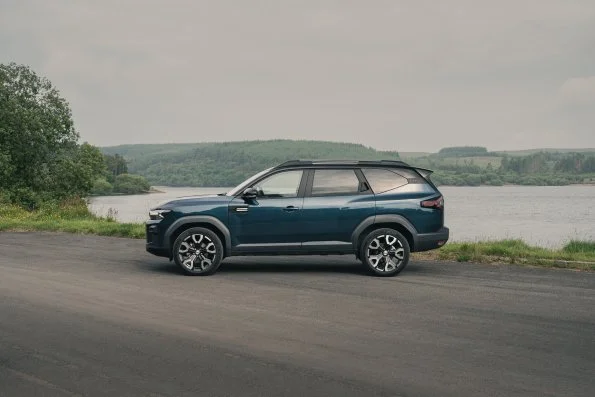
In practical terms, the boot capacity of the Bigster allows you to easily accommodate a couple of buggies or a considerable amount of shopping. We were even able to fit seven carry-on suitcases into the Hybrid 155's boot, which is one more than the MG HS can hold. The Bigster features a height-adjustable boot floor, providing greater flexibility for organising your luggage. When set to its highest position, it creates a flat load area that aligns with the rear seats when they are folded down.
The Dacia Bigster is a low-cost family SUV that significantly undercuts all other models in its category, except for the MG HS. The Hyundai Tucson, Kia Sportage, and Nissan Qashqai are all thousands of pounds more expensive.
The entry-level Expression trim appears to be a solid choice on paper. It not only offers respectable performance but also boasts an impressive array of standard features. These include 17-inch alloy wheels, dual-zone climate control, electrically adjustable and heated wing mirrors, among other amenities.
If you're willing to spend a bit more, consider the mid-spec Journey trim. This version adds a variety of comforts, such as a premium 3D sound system, heated front seats, a heated steering wheel, and an electrically operated tailgate.
For those seeking four-wheel drive, the Extreme trim is the option to choose, although it is also available with front-wheel drive. The Extreme trim shares many features with the Journey trim but includes unique details like copper-colored styling and hill-descent control.
If you choose the 4x4 version, you’ll have various driving modes available, including options for snow and mud/sand. The standard hybrid model (Hybrid 155) of the Bigster is the most fuel-efficient, achieving an average of 48.8 mpg in real-world testing. While this is a bit lower than its official average of 60.1 mpg, it is still impressive for a family SUV of its size. The other engine options should also provide good fuel economy. The Mild Hybrid 140 has an official average of around 52 mpg, while the Mild Hybrid 130 4x4 averages about 47 mpg.
Every Bigster comes with Dacia's Zen warranty, offering coverage for up to seven years or 75,000 miles, provided you have it serviced annually at an authorised dealer.
The Dacia Bigster is equipped with a respectable array of safety features, including automatic emergency braking (AEB), traffic sign recognition, lane departure warning, and lane-keeping assist.
The Dacia Bigster is a family-friendly large SUV at an affordable price. Its advantages mainly stem from its spacious interior and practical features, and it also provides a comfortable driving experience. The value for money is an important reason to look at the Dacia Bigster as your next car.
£25000